
All of our clients use specialised pumps of some description. Sites dealing with food waste know from experience that selecting the right one for the right application is crucial. On a mission to learn more about choosing the right pumps for the job, I spoke to Sean Clark at Roto.


Abbie – How long have you been at Roto and what’s your industry background?
Sean – I’ve been here since August 2008 and I’ve been in this industry since 1989. I’ve always been working for manufacturers, predominantly with progressive cavity pumps, which is what we make here. For us, biogas is probably one of the true growth segments, the others are quite saturated, mature markets for our products.
Abbie – How many types of pumps might a biogas plant need?
Sean – Maybe half a dozen different types are common but we only manufacture progressive cavity pumps. There’s also rotary lobe pumps, centrifugal pumps, submersible, peristaltic etc.
Abbie – What are the best types for biogas in your opinion?
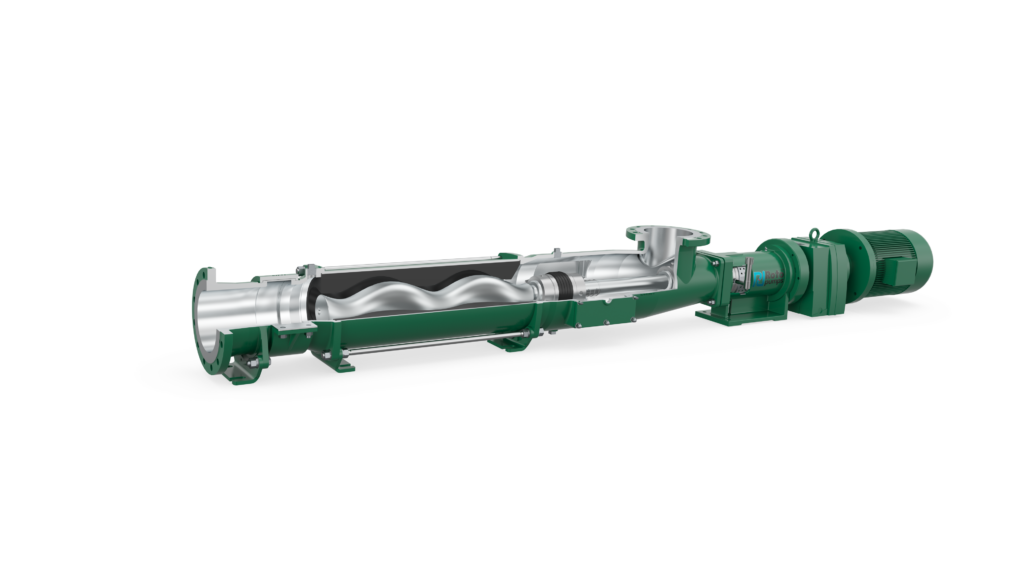
Sean – Normally it would be anything that can handle high solid content whilst running at low speeds. The progressive cavity pump fits the bill perfectly because the flow is proportional to the speed, independent of the pressure, so you can run them very slowly which keeps the wear rate down. A centrifugal pump for example you’d use for water or clear liquids and they’d be running very fast because you need that speed to generate the pressure. Whereas our type of pump you can run very slowly independent of the pressure.
Abbie – Are you saying the feedstocks could affect other pumps more than yours?
Sean – That’s right. If it’s potatoes for example, you’re going to have big lumps in there so you need a pump that can handle maybe 80 to 100 millimetre solids. A progressive cavity pump will do that, as would a peristaltic pump for example. On the other hand, a centrifugal wouldn’t be able to cope with it. It’s the solids content we need to bear in mind, particularly with food waste.
Abbie – What’s the best advice you can give a biogas plant for selecting the right pump?
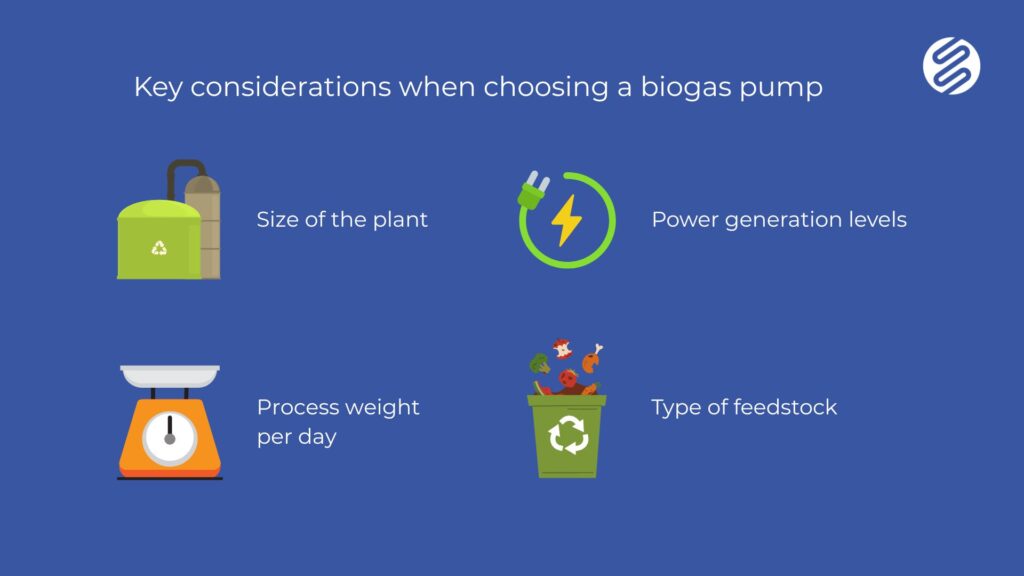
Sean – Consider the big picture. Firstly they need to tell us the size of the plant and the levels of power they’ll be generating. Then tell us the individual applications and what sort of throughputs or flow they want. We select our pumps based on the flow and the pressure it’s working against and obviously the feedstock type coming in. They might say for example they want a particular pump to process 50 tonnes a day. Typically then the pressure is only about one or two bars so that’s quite constant throughout. Other considerations are what their feedstock would be so maybe manure or waste food, fibrous, non fibrous etc. Then we can help them make the right decision.
Abbie – What’s the best advice you can give on the maintenance side of things?
Sean – Preventative is always best obviously, but in my experience barely any of them do preventive maintenance. Typically they’ll just run a pump until it stops producing what they expected of it and then look at it to see what the problem is.
Abbie – Ok, so if properly maintained how long should pumps last?
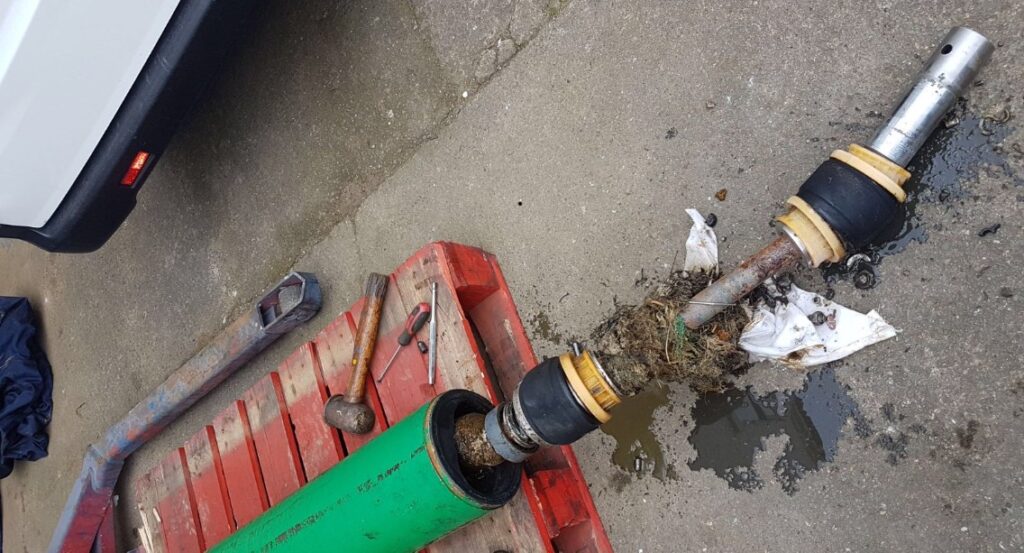
Sean – If it’s on a cow slurry application we have pumps lasting a year or more without maintenance because it’s on a low pressure and a relatively low speed. There’s also no aggressive solids in there so you would expect that to be lasting up towards12 months before you need to start looking at looking at maintenance. If you’re throwing in vegetables or potatoes, that sort of thing, it’s different. Then you’ve not only got the vegetables etc, you’ve also got the wash water, any grits, other solids and everything that gets shovelled in at the same time. Then you would want the pump maintained on around a three to six month basis. If not sooner. The higher the grit and more abrasives in there, the quicker it will wear.
Abbie – What’s the biggest mistakes biogas plant make with pumps?
Sean – The wrong pump in the wrong application. For example PC pumps and peristaltics are suitable for sludges & solid. Someone might use a pump they have lying around and put it in an application that may or may not work. Pumps running too fast is a common mistake, particularly if you’ve got a high grit or high abrasion content, you’ll get adverse wear and a lot of spare part consumption.
Abbie – Do you find that often the site wasn’t designed properly in the first place?
Sean – In the early days this did happen, yes. We’ve found a lot of plants, especially the old ones, with rotary lobe pumps, and you’d think what on earth is that doing there. Don’t get me wrong they are compact, whereas our pumps are quite long and heavy, but then the sites would have issues with solids.
Abbie – Do you specify pumps to contractors and project designers?
Sean – Not a great deal at the moment, no. The main reason is that a lot of the UK plants tend to come in from overseas. Particularly Germany, so everything gets specified over there and arrives with the pumps already installed. In those cases, we’re coming along and supplying retrofit parts or replacement pumps down the line. We are starting to talk more with UK contractors but they do all their selections themselves. They’ll come to us and say we’ve got X amount of feedstock coming in or we want to move this much quantity into the digester. Then we provide them with the right pump that they have already to an extent pre-selected. In the UK and Ireland we’re only dealing with three companies that are actually building biogas plants from the ground up. All the others we would be retrofitting either spare parts into pumps that have been installed or replacing existing investors pumps.
Abbie – I’m guessing since Brexit, if they need a replacement that’s in Germany, that you can add maybe six or eight weeks onto delivery times.
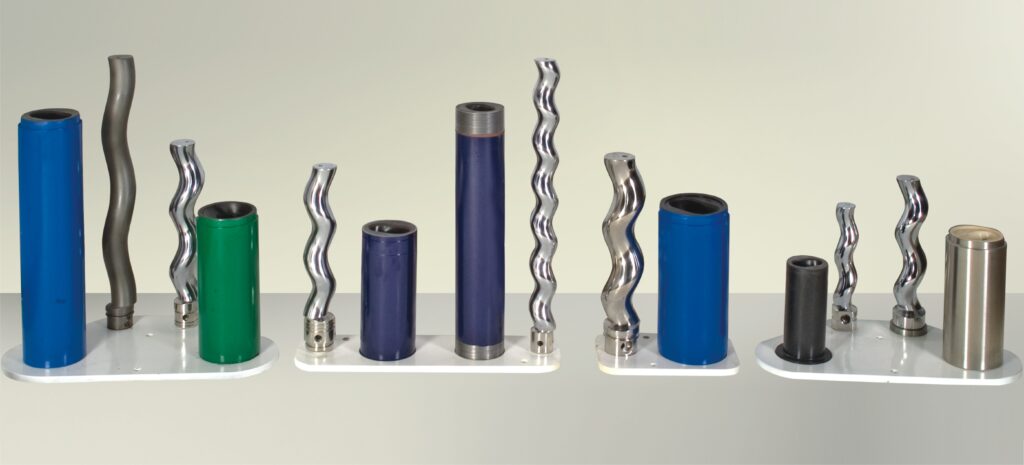
Sean – Yes, it can, but Roto pumps as a company are in an advantageous position. Not only do we make our own range of pumps for biogas and other industries, we also manufacture parts to suit competitors pumps. I’m happy to say that these spares can be provided on a next day basis, anywhere in the UK. Obviously this can dramatically reduce downtime if the site hasn’t got the spare part to hand but can get one the following day.
If you have a question about this article or using ferrous chloride on your site, please feel free to contact us.
If you have a question for Sean at Roto Pumps, you can contact him here.